
ERNEST COLE アーネスト・コール
SOUTH AFRICA IN FOCUS
House of Bondage
Supported by Cheerio
In collaboration with Magnum Photos
Curator: Andréa Holzherr
Scenography: team raw row inc.
Ernest Cole's groundbreaking document of apartheid South Africa is exhibited here for the first time in Japan
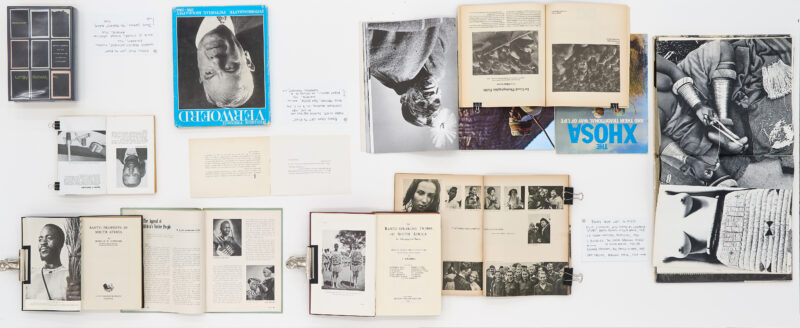
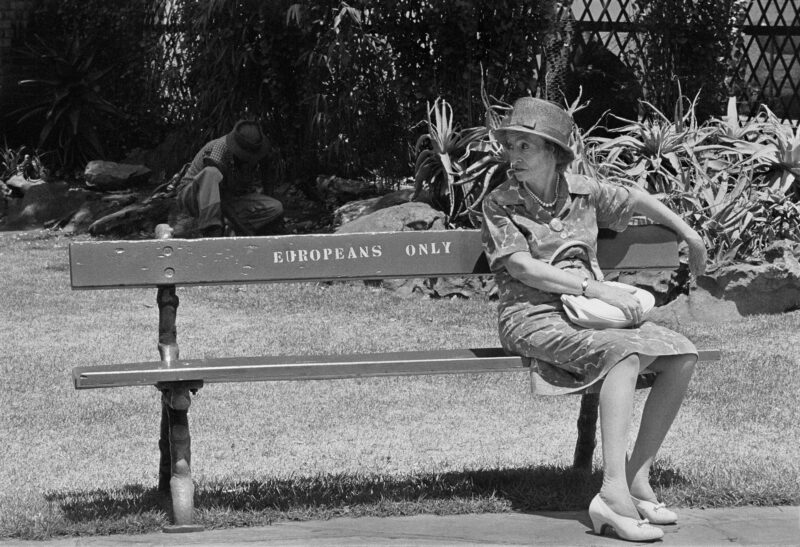
Ernest Cole’s publication House of Bondage (1967) is a sustained photographic investigation into the everyday realities of life under apartheid. Over years of clandestine work, Cole documented mines, hospitals, courts, police stations, prisons, and townships, using stark black-and-white images to reveal systems of forced labour, surveillance, and degradation. His photographs combine intimate portraits with incisive documentary sequences, emphasising both individual experience and the structures that constrained it. Shot with quiet empathy and unflinching clarity, House of Bondage maps routines of control – work, transport, housing, and legal coercion – so viewers confront how ordinary spaces were organised to enforce racial domination. Conceived as a cohesive narrative, House of Bondage is not only told through images. Cole’s own texts – written in exile and first published alongside the photographs in 1967 – are an essential part of the work. In them, he speaks in his own voice: analytical, angry, and lucid. His words provide context, sharpen the political meaning of the images, and make clear that this work is not neutral observation, but an act of resistance.
This exhibition brings together Ernest Cole’s photographs and his writings to restore the full scope of House of Bondage. As a personal and collective indictment of apartheid, it is a landmark work in the history of photojournalism, where images and words combine to bear witness – and to accuse.
Presenting Ernest Cole: House of Bondage in today’s context is of great significance. As one of the most powerful photographic testaments to life under apartheid, the exhibition not only highlights the enduring relevance of Cole’s courageous work but also opens a vital dialogue between South African history and contemporary global struggles for freedom and dignity. It is an act of remembrance and resonance – connecting histories across continents and reminding us of the transformative power of the image.
Text by Andréa Holzherr
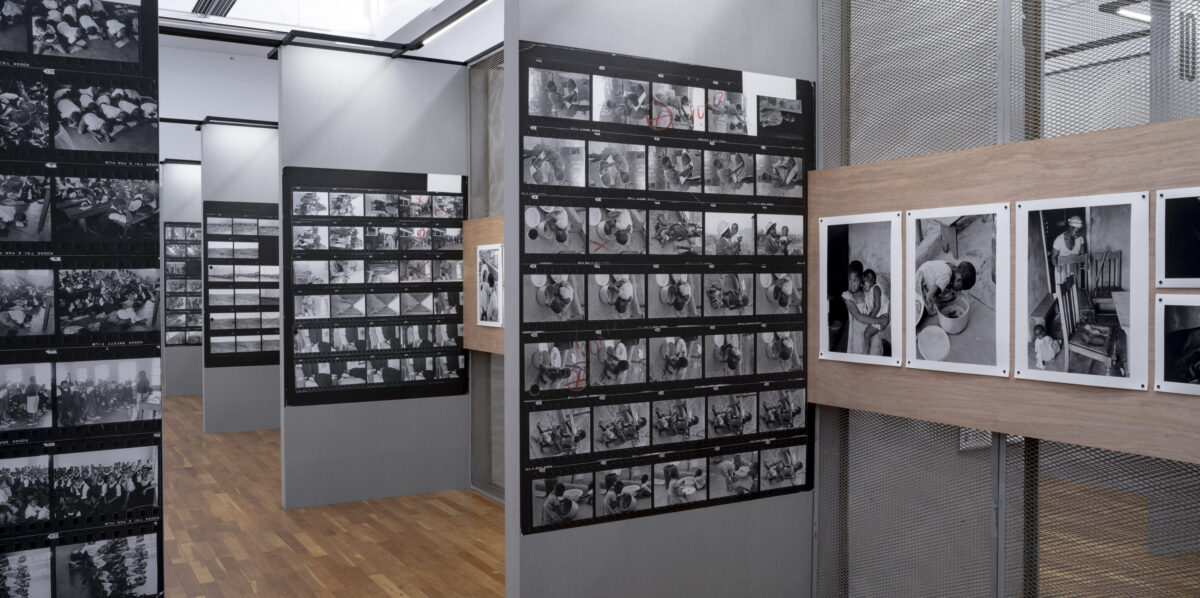
©︎ Kenryou Gu-KYOTOGRAPHIE 2026
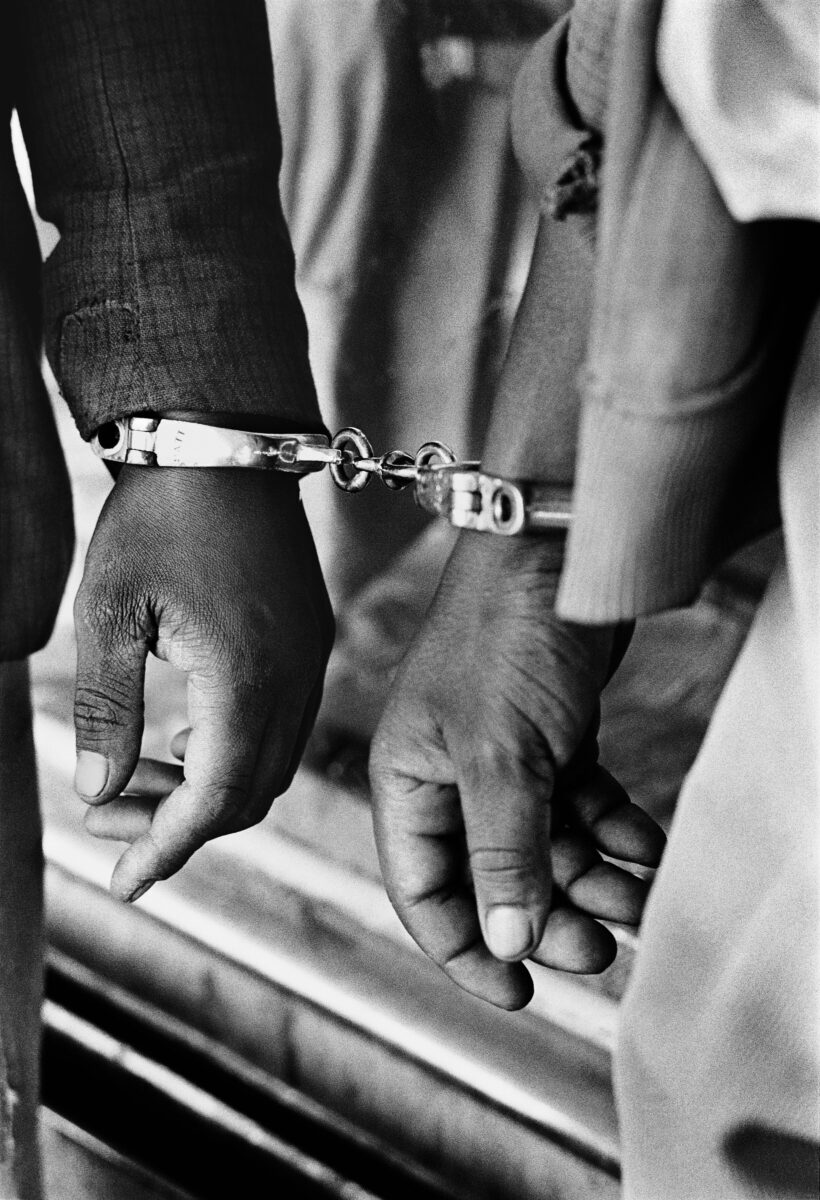
Handcuffed blacks were arrested for being in a white area illegally, South Africa, 1960's. © Ernest Cole/ Magnum Photos

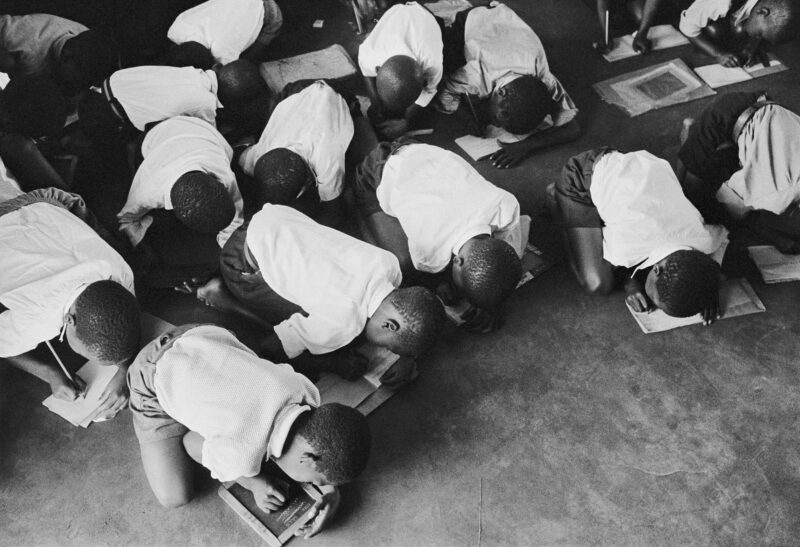
Students kneel on floor to write. Government is casual about furnishing schools for blacks. South Africa, 1960s. © Ernest Cole/ Magnum Photos
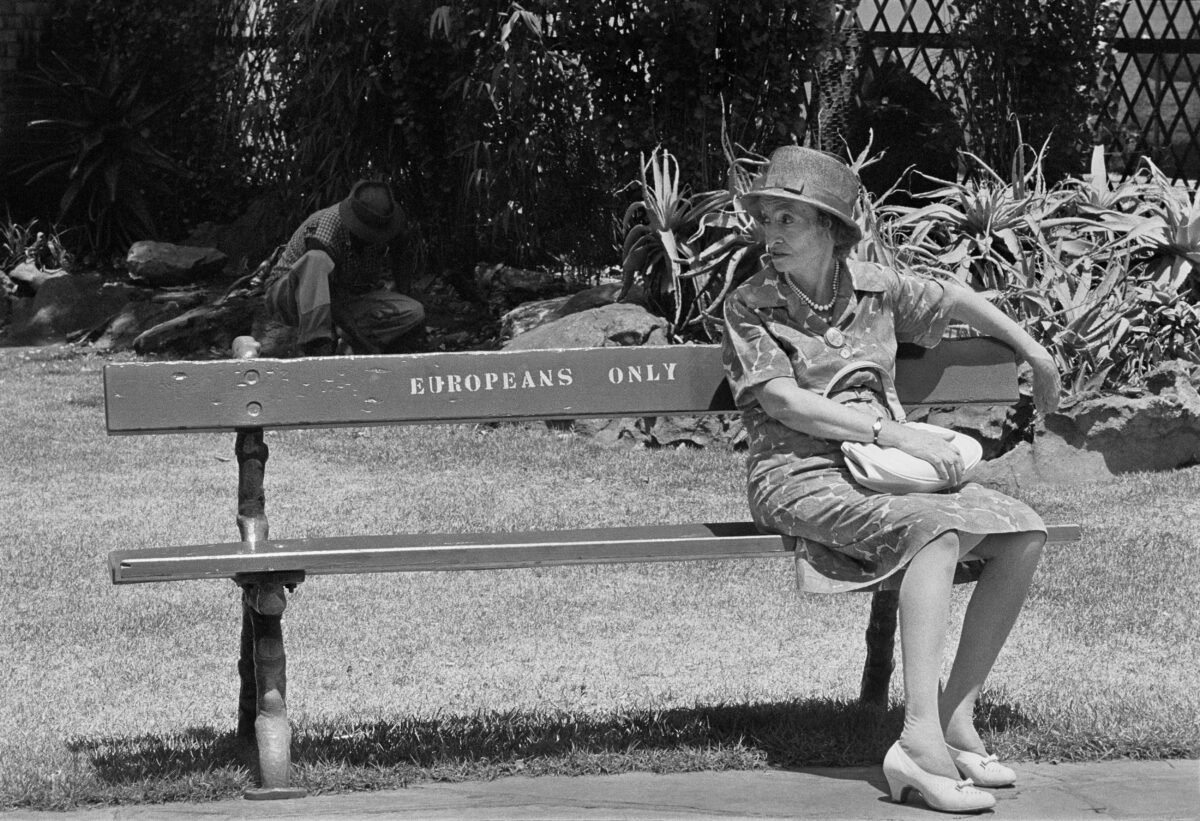
Segregation signage, South Africa, 1960's. © Ernest Cole/ Magnum Photos
Archives アーカイブ
artist アーティスト
Ernest Cole アーネスト・コール
Ernest Cole was born in South Africa’s Transvaal in 1940 and died in New York City in 1990. During his life he was known for his monumental book: House of Bondage, published in 1967. Cole’s early work chronicled the horrors of apartheid for Drum magazine and the New York Times among other publications. In 1966 he fled South Africa and in 1968 the apartheid regime stripped him of his South African passport. Settling in North America, he concentrated on street photography but around 1972 his life fell into disarray and he ceased to work as a photographer. Having experienced periods of homelessness, Cole died aged 49 of pancreatic cancer.
Related Events 関連イベント
-
4.18
Exhibition Talk: A4 Arts Foundation
Hachiku-an (Former Kawasaki Residence)
-
4.18
Exhibition Tour: Ernest Cole
Kyoto City KYOCERA Museum of Art, Main Building South Wing 2F
-
4.19
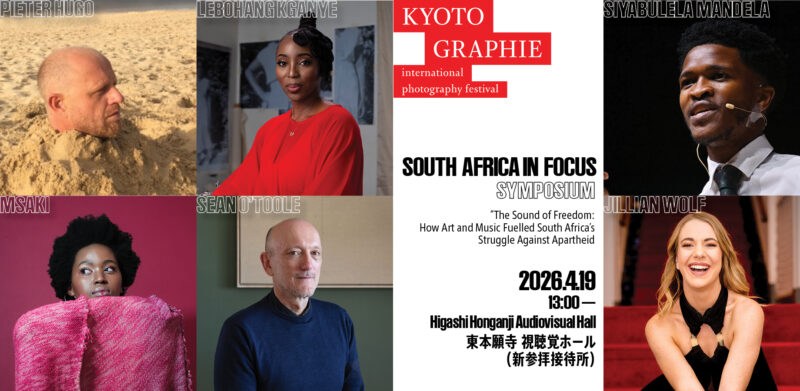
Symposium: South Africa In Focus
Higashi Honganji Audiovisual Hall (New Reception Hall)
-

4.19
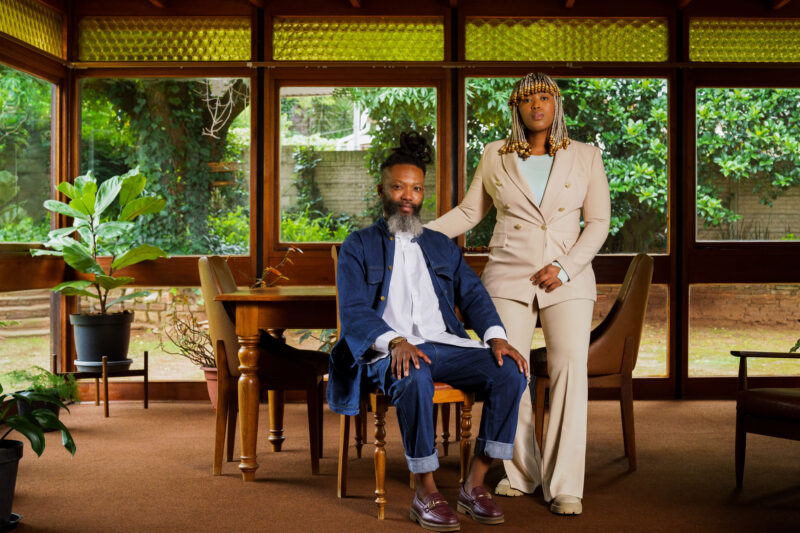
KYOTOPHONIE: Msaki x Tubatsi
Higashi Honganji Audiovisual Hall (New Reception Hall)
-
4.25
Lecture: “Empathy for Suffering: What Lies Behind the Photographs of Ernest Cole”
QUESTION 4F
