
SARI SHIBATA 柴田早理
Dotok Days
Ruinart Japan Award 2025 Winner
Presented by Ruinart
Scenography: Miho Odaka (APLUS DESIGNWORKS)
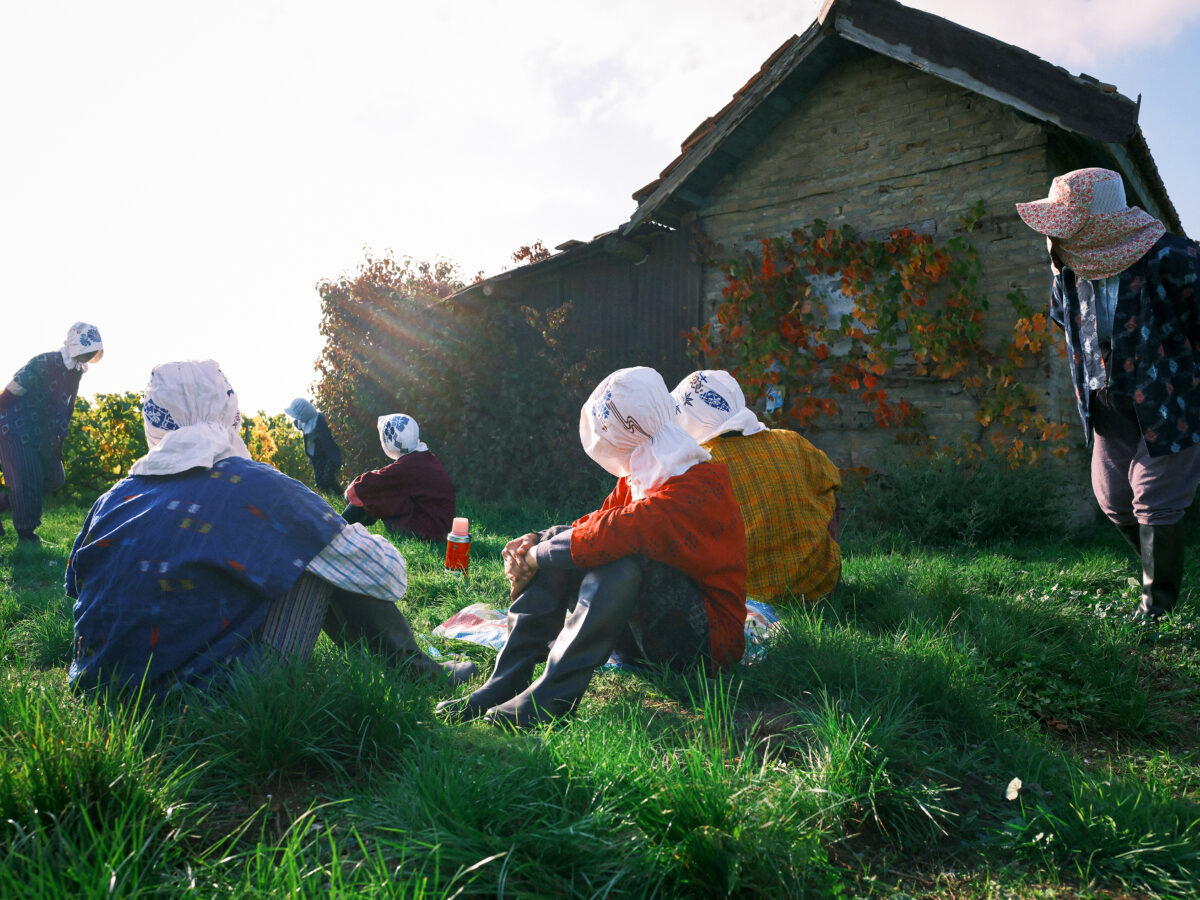
In the vineyards of France's Champagne region, Shibata portrays a woman who matures like the grapes, weaving together awe and gratitude for nature and the traditions passed down from her homeland
Sari Shibata was born in the mountains of Nanto, Toyama, and grew up watched over by her grandparents, great-grandmother, and the local community. The exhibition title Dotok Days derives from dotoku (literally “virtue of the soil”), a term used by Sōetsu Yanagi , founder of the Mingei movement, to describe the spiritual climate of Nanto. It means knowing that one cannot live without mutual support. It means entrusting oneself to a force far greater than anything one could plan. It means that the labours and prayers of unnamed people accumulate in the land, quietly supporting daily life from beneath.
After leaving for the city to study, Shibata returned 12 years later, prompted by the birth of her nephew and her aging relatives. While the population had declined and the town had changed, the rhythms of life – cultivating rice fields, dancing at festivals, supporting one another, praying – continued. As the experiences invisible in childhood come into view, a child’s gaze gradually draws close to a grandmother's. “I came to realise,” Shibata says, “that birth and loss are not separate dots, but form a circle within me. And that this circle is also part of a much larger circle that has accumulated in this land”.
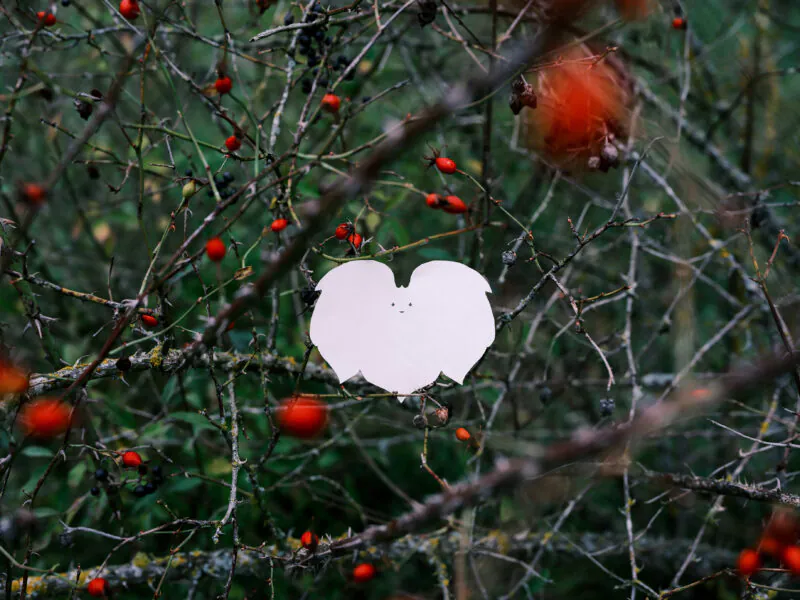
This series was created during a residence at the first-established champagne house, Ruinart, in Reims, France, following Shibata’s receipt of the Ruinart Japan Award at KYOTOGRAPHIE 2025. Every woman in the photographs is a self-portrait of the artist. Using her own body as a vessel, she embodied the lives of Nanto’s women in Reims. The white paper that occasionally appears in the works is Gokayama washi, handmade from plants native to Nanto. As Shibata walked through the forests of Reims, whenever she sensed the presence of “something”, she would cut the paper, place it, and photograph it.
Pruning and harvesting in the vineyards, fermentation and aging – working with nature and entrusting oneself to time resonates with the bodily sensibility nurtured in Nanto. The same light falling on Nanto and Reims folds the two lands into one, quietly illuminating the value of days that circle through everyone in this world.
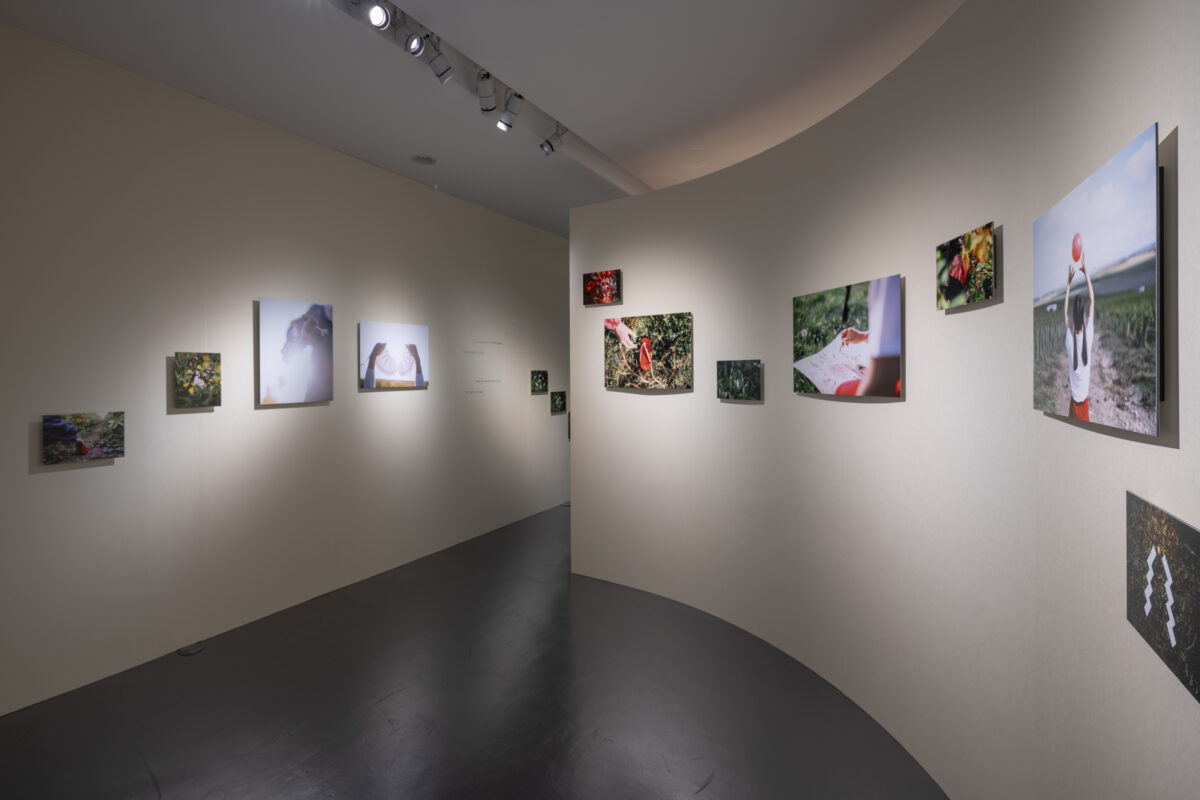
©︎ Kenryou Gu-KYOTOGRAPHIE 2026
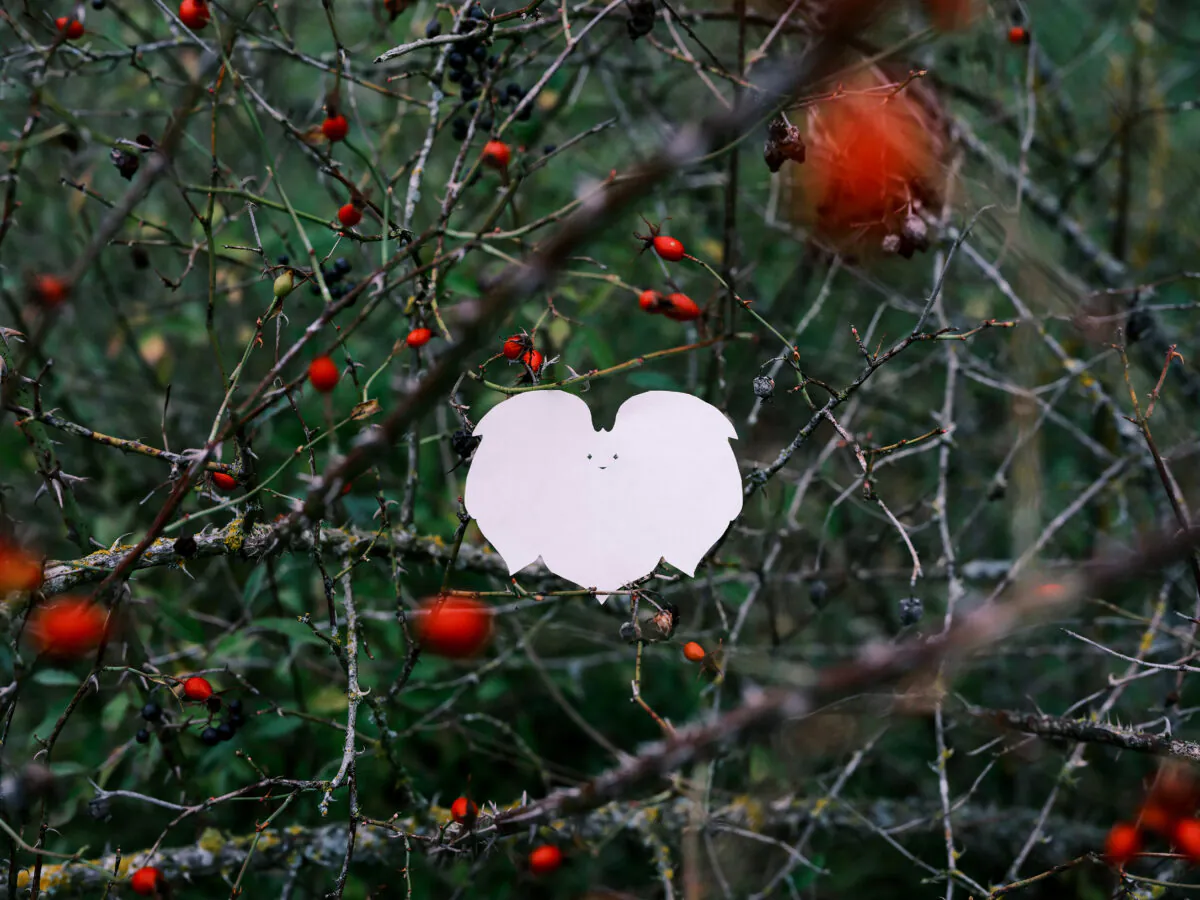
© Sari Shibata
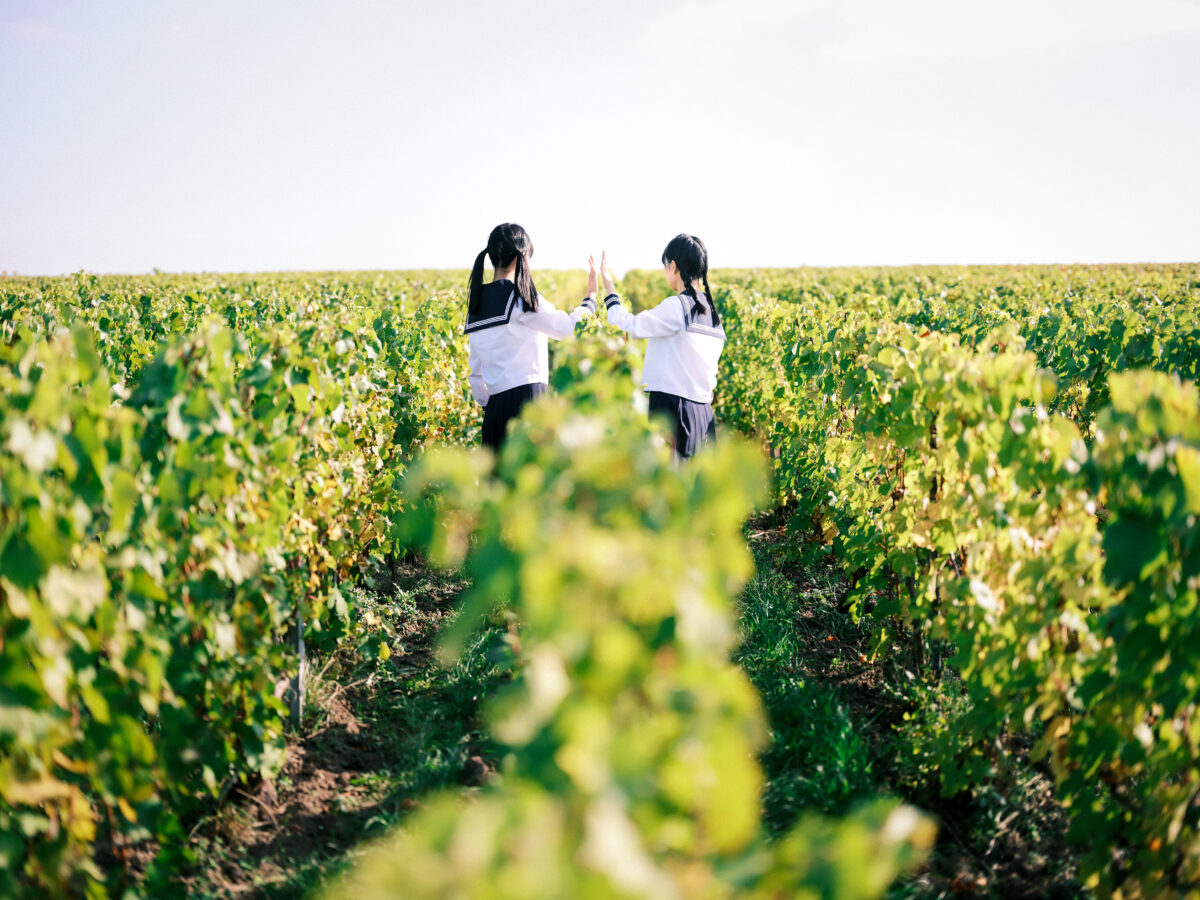
© Sari Shibata
© Sari Shibata
Archives アーカイブ
artist アーティスト
Sari Shibata 柴田早理
Sari Shibata was raised in a mountain region of Nanto City, Toyama Prefecture, where shestarted out capturing landscapes with her grandfather's camera. She studied psychology at Rikkyo University, before working at a major IT company, where she developed an interest in the structures of capitalism. In 2022, she established a company with her husband. Three years later, they founded the art space ‘OSHITOPIA’ in an old house in Nanto City. Set up in the wake of the Noto Peninsula earthquake, the gallery focuses on perspectives from Japan’s often overlooked rural regions.