
ERNEST COLE アーネスト・コール
SOUTH AFRICA IN FOCUS
House of Bondage
Supported by Cheerio
In collaboration with Magnum Photos
Curator: Andréa Holzherr
Scenography: team raw row inc.
Kyoto City KYOCERA Museum of Art, Main Building South Wing 2F
※入場は閉館の30分前まで
Adult: ¥ 1,000
Student: ¥ 500 (Please present your student ID)
Click here for details of Passport-Tickets and Single venue tickets.
Ernest Cole's groundbreaking document of apartheid South Africa is exhibited here for the first time in Japan
House of Bondage (1967) by Ernest Cole was one of the first publications to expose the reality of apartheid to the world. Crucially, it was the first lens into the Black experience by a Black photographer.
Born in 1940, Cole became one of the first Black photojournalists in the country, working covertly to capture everything from mine labourers to domestic workers, as well as the state of transport, education and health systems. He took on assignments for DRUM and The New York Times, all the while shooting for House of Bondage.
In 1966, Cole fled South Africa for New York. He published House of Bondage the following year, and as a result was permanently banned from his country. Today, the book remains one of the most influential and profound documents of apartheid, and is credited with unmasking its true atrocities to the world.
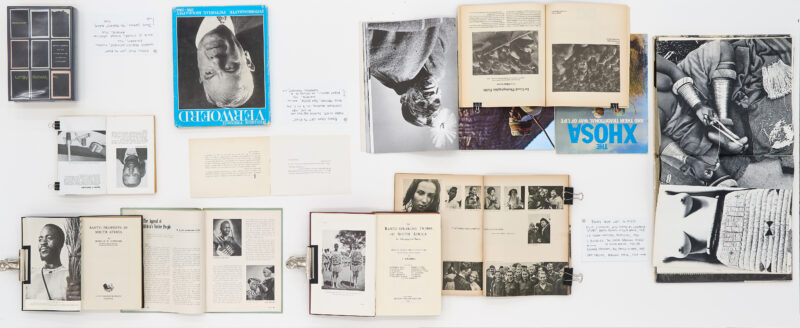
This exhibition will feature photographs, magazine covers and personal notes written by Cole himself. It follows the structure of the photographer's original book, divided into 15 thematic chapters. Presented in Japan for the first time, this monumental show will offer a unique opportunity to experience the unflinching honesty of Cole's lasting legacy.
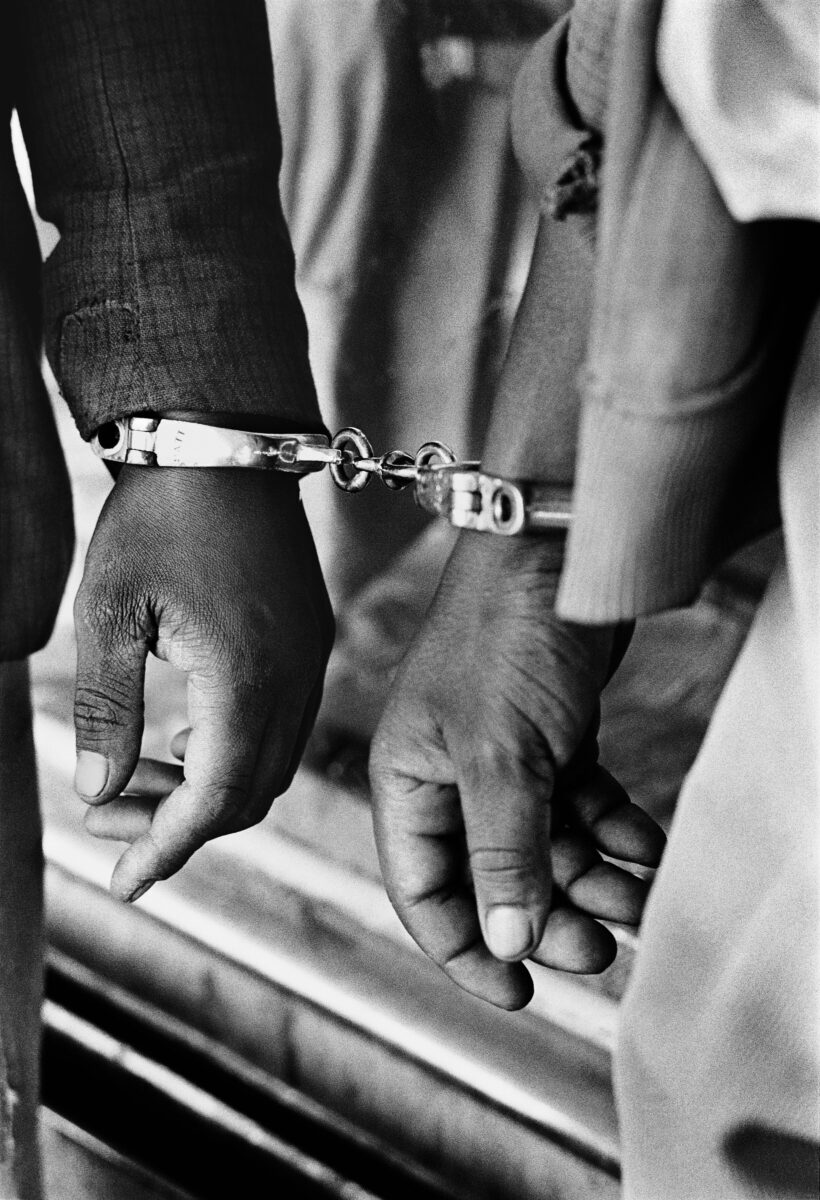
Handcuffed blacks were arrested for being in a white area illegally, South Africa, 1960's. © Ernest Cole/ Magnum Photos

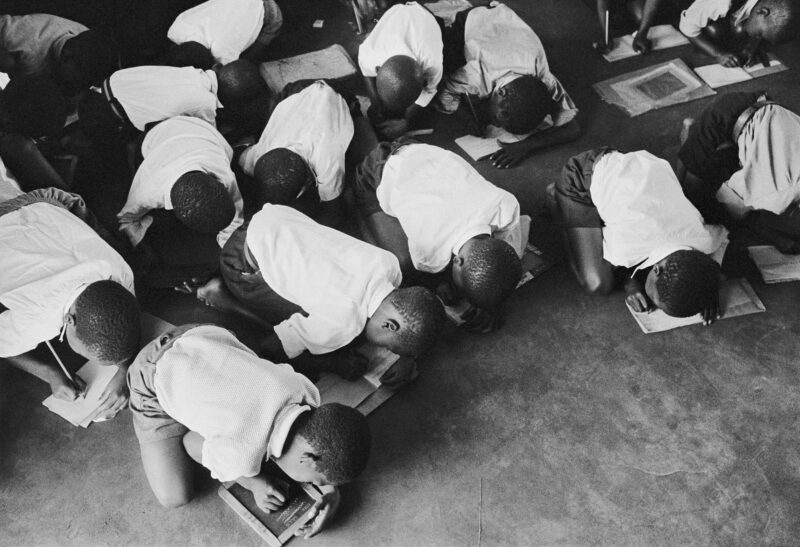
Students kneel on floor to write. Government is casual about furnishing schools for blacks. South Africa, 1960s. © Ernest Cole/ Magnum Photos
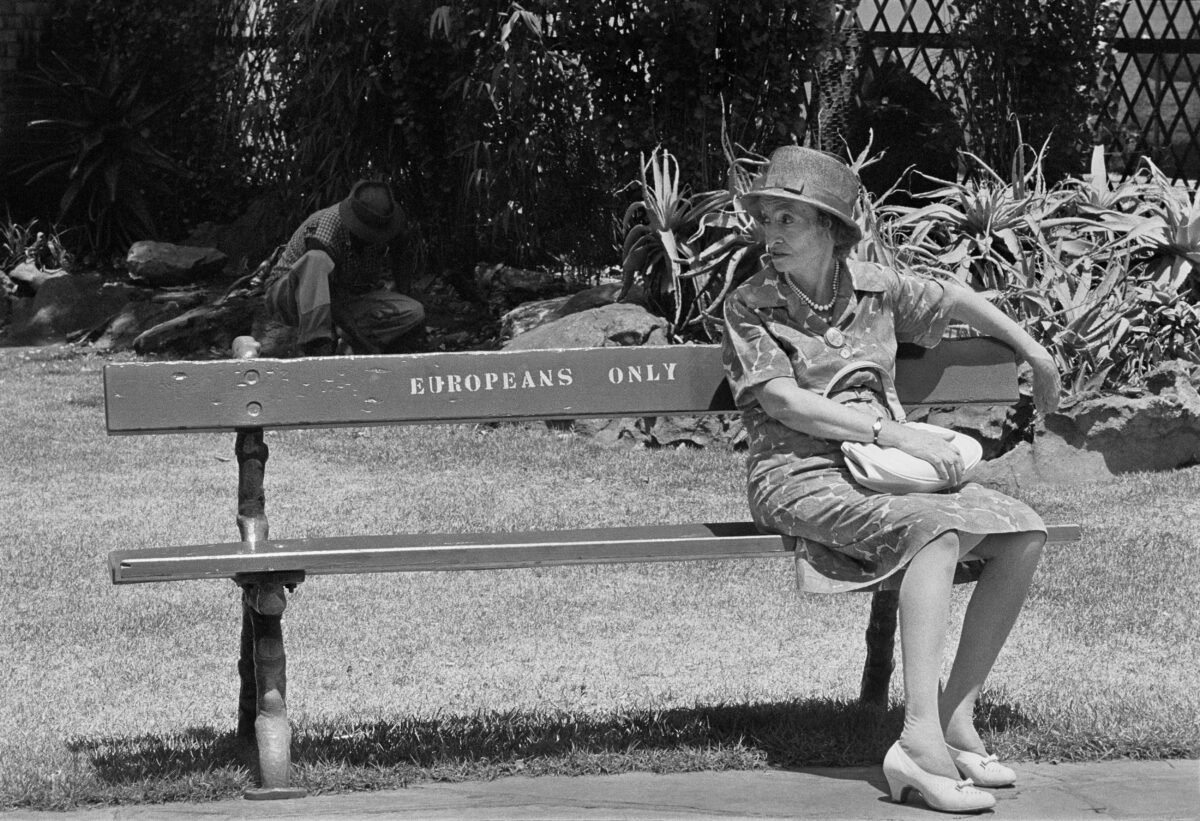
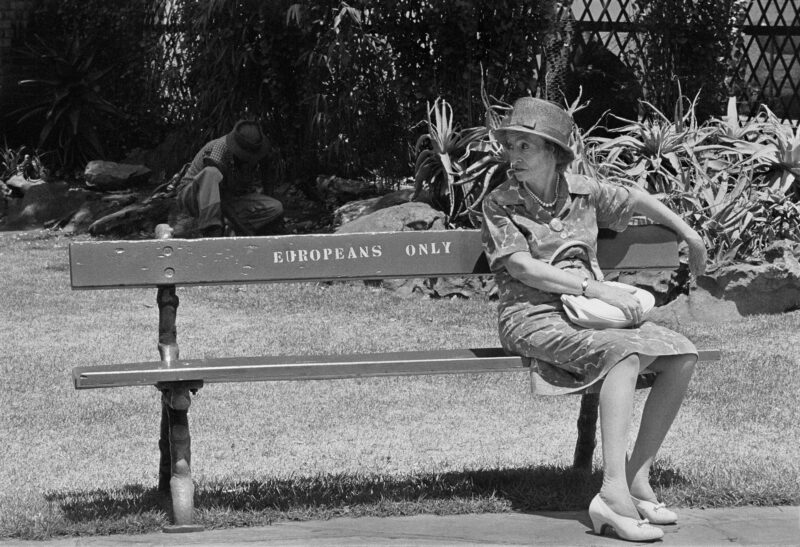
Segregation signage, South Africa, 1960's. © Ernest Cole/ Magnum Photos
Fees 入場料
Adult: ¥1,000
Student: ¥500 (Please present your student ID)
There is also a special passport ticket that allows you to enter all venues once during the exhibition period. Click here for details.
artist アーティスト
Ernest Cole アーネスト・コール
Ernest Cole was born in South Africa’s Transvaal in 1940 and died in New York City in 1990. During his life he was known for his monumental book: House of Bondage, published in 1967. Cole’s early work chronicled the horrors of apartheid for Drum magazine and the New York Times among other publications. In 1966 he fled South Africa and in 1968 the apartheid regime stripped him of his South African passport. Settling in North America, he concentrated on street photography but around 1972 his life fell into disarray and he ceased to work as a photographer. Having experienced periods of homelessness, Cole died aged 49 of pancreatic cancer.
Venue 会場
Kyoto City KYOCERA Museum of Art, Main Building South Wing 2F
- Opening Hours
-
10:00–18:00
※入場は閉館の30分前まで
- Closed on
-
Apr 20, 27, May 11
- Address
-
124 Okazaki Enshoji-cho, Sakyo-ku, Kyoto, 606-8344 Japan
- Access
-
Subway Tozai Line ”Higashiyama” Station, 8 min walk
Keihan Line "Sanjo" Station or Subway Tozai Line ”Sanjo Keihan” Station, 16 min walk
- Accessibility
-
This venue is wheelchair accessible.
There is an accessible bathroom at this venue.Please store large items such as suitcases and backpacks in the lockers provided.
[No.10] Some works contain nudity. Viewer discretion is advised.Cash & cashless payments are accepted at this venue.
Related Events 関連イベント
-
4.18
Exhibition Talk: A4 Arts Foundation
Hachiku-an (Former Kawasaki Residence)
-
4.18
Exhibition Tour: Ernest Cole
Kyoto City KYOCERA Museum of Art, Main Building South Wing 2F
-
4.19
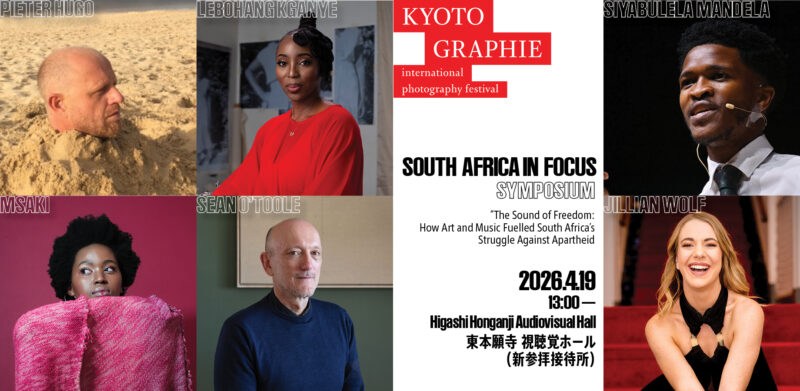
South Africa In Focus Symposium
Higashi Honganji Audiovisual Hall (New Reception Hall)
-

4.19
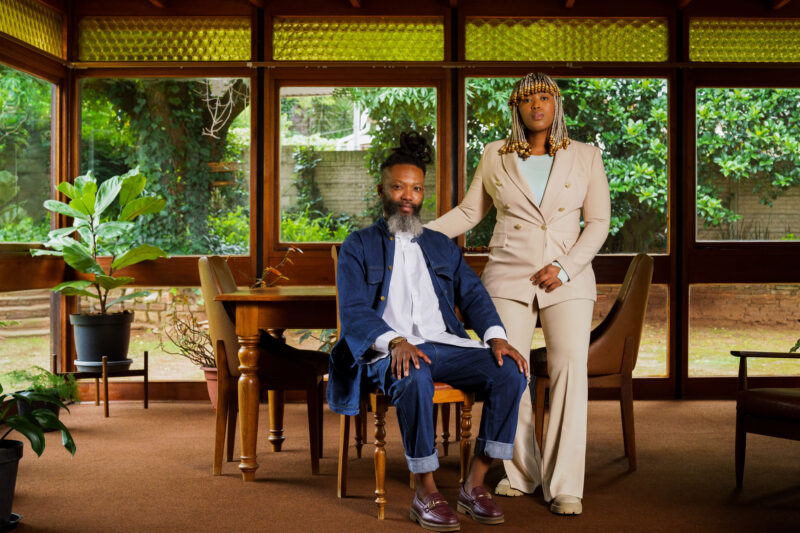
Msaki x Tubatsi
Higashi Honganji Audiovisual Hall (New Reception Hall)
-
4.25
Lecture: “Empathy for Suffering: What Lies Behind the Photographs of Ernest Cole”
QUESTION 4F
